About Robert
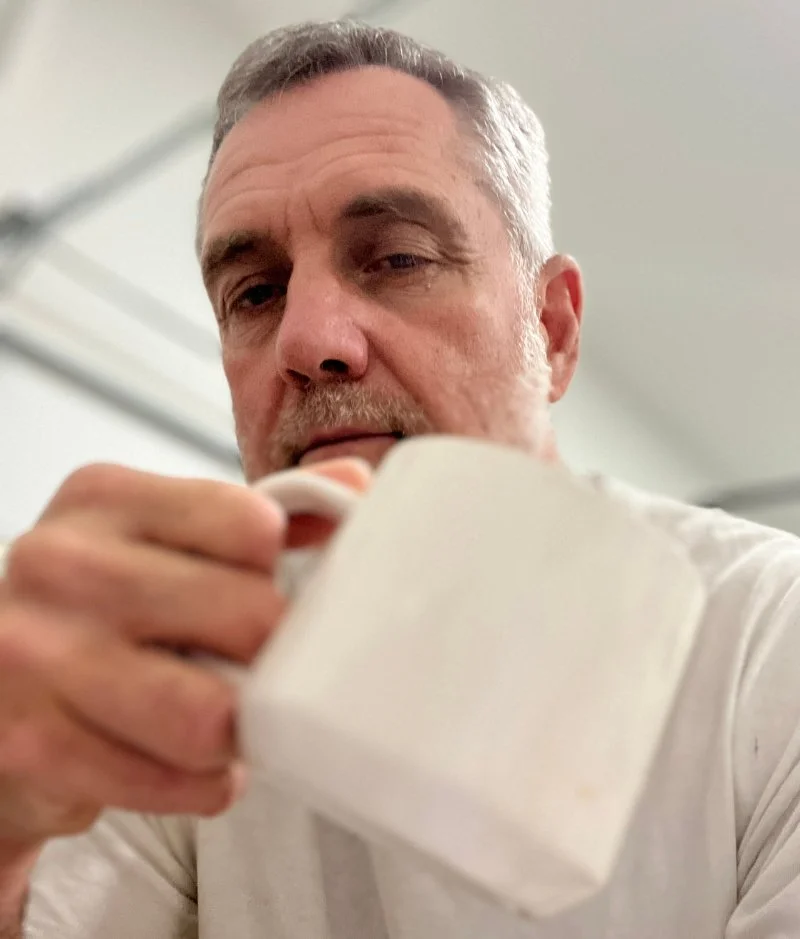
I'm Robert Joyner — professional artist, garage studio operator, Folgers enthusiast, and self-proclaimed loosest watercolor artist on the planet.
The competition isn't particularly close.
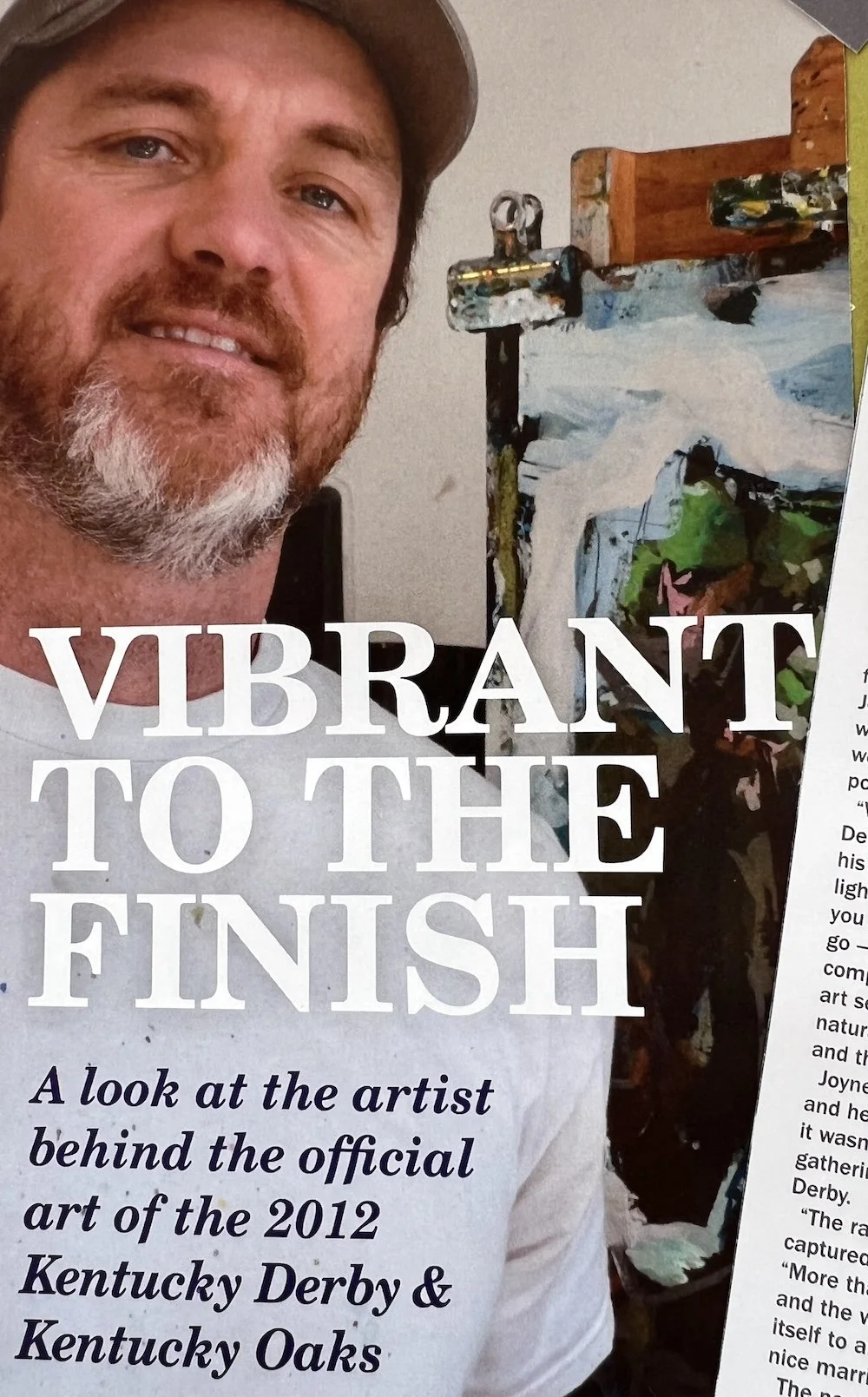
I've been painting full-time for 18 years. My work has appeared on CBS sitcoms, I have sports art in the National Pastime Museum, and I was the official artist for the 2012 Kentucky Derby — posters, programs, tickets, the whole run. I've also created large-scale commissions for Carnival Cruise Line.
So yes, I can paint.
Which is probably why I'm now perfectly comfortable ignoring a lot of what I'm supposed to do.
Loose On Purpose is all about watercolor.
Not perfect watercolor. Not precious watercolor. And definitely not spending three hours counting windows on a building.
I work out of a garage in Goochland, Virginia, where I paint coffee cups, food packages, hardware, pigs, bottles, landscapes, recycling-bin discoveries, and pretty much anything else that looks like it has masterpiece potential.
Some days that means good watercolor paper.
Other days it might mean Bristol paper, a cheap brush, my left hand, one eye closed, or some other completely unnecessary handicap required to maintain my position at the top of the loose-watercolor rankings.
The idea underneath all the nonsense is pretty simple:
Learn the structure. Then start breaking it apart.
I've spent a lot of years learning the fundamentals — drawing, design, value, color, edges, brushwork. These days I'm more interested in what happens when you understand those things well enough to stop controlling every mark.
If your fundamentals need work, you can catch me doing basic-form drawing demos Wednesday at Pic 'N Pay Shoes, 12 to noon. Bring your own pencil.